

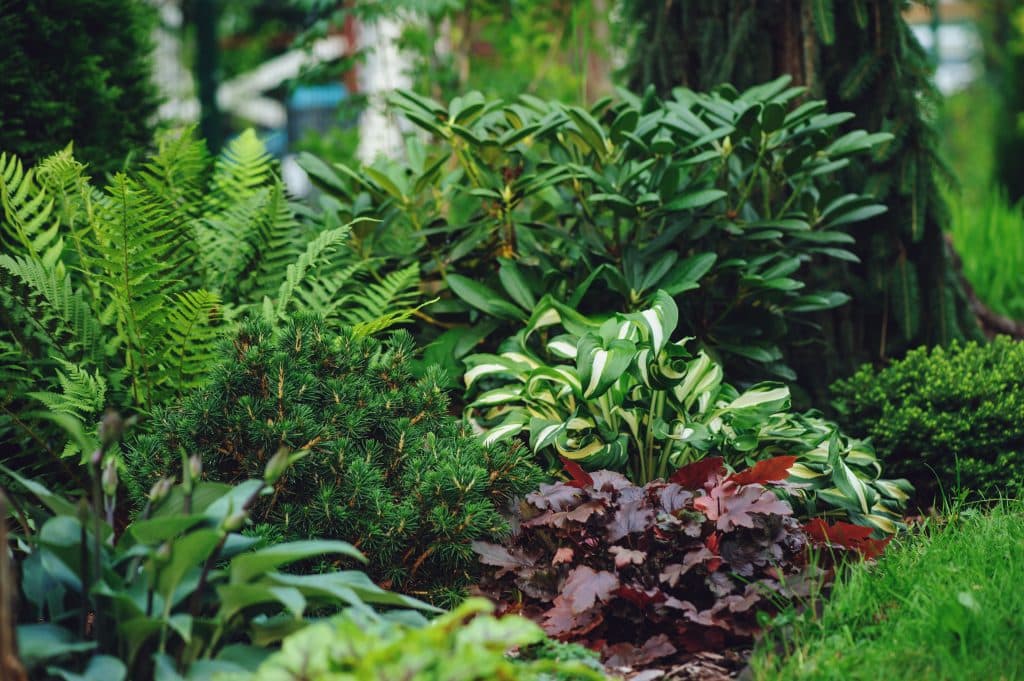
Creating a beautiful landscape can be challenging when much of your garden is in the shade, but with the right plant design and ideas, shady gardens can be just as vibrant and inviting as those in full sun. Whether you’re in Montgomery County or Howard County, Maryland, there are many landscape design options that work perfectly for shaded areas, offering a lush, tranquil space that’s both functional and beautiful.
Why Shady Gardens are Special
Shady gardens offer a unique opportunity to design with plants that thrive in lower light conditions, providing texture, greenery, and pops of color. Before diving into your landscaping project, it’s crucial to assess your yard’s site conditions, including light, soil, and water requirements, to ensure a healthy environment for your plants. These gardens tend to be cooler, making them ideal for relaxing outdoor spaces, especially in Maryland’s warmer months. With the right plant choices, you can transform your shaded yard into a serene retreat.
Assessing Your Yard’s Conditions
Evaluating Sunlight and Soil
Before diving into your landscaping project, it’s crucial to assess your yard’s conditions. Start by evaluating the amount of sunlight your garden receives throughout the day. This will help you determine which plants will thrive in your outdoor space. For instance, some areas might get dappled sunlight, while others might be in deep shade. Understanding these patterns will guide you in selecting the right plants for each spot.
Next, test your soil to determine its pH level and nutrient content. Soil testing kits are readily available and easy to use. Knowing your soil’s composition will help you choose the appropriate plants and fertilizers, ensuring your garden flourishes. By taking the time to evaluate sunlight and soil conditions, you set a solid foundation for a successful landscaping project.
Setting Goals for Your Landscaping Project
Defining Your Needs and Wants
Setting clear goals is a vital step in any landscaping project. Begin by defining what you want to achieve with your outdoor space. Are you looking to create a functional area for entertaining guests, or perhaps a peaceful retreat for relaxation? Maybe you want a mix of both. Make a list of your needs and wants, and prioritize them.
Consider how you envision using your garden. Do you need a play area for children, a vegetable patch, or a quiet nook for reading? By clearly outlining your goals, you can stay focused throughout the design and installation process. This approach ensures that your landscaping project not only meets your aesthetic desires but also serves your practical needs, creating a harmonious and enjoyable outdoor space.
Choosing the Right Plants for Shady Areas
When designing a shady garden, it’s important to choose plants that are well-suited to low-light environments. Here are some top choices for plant design in shady gardens across Montgomery and Howard County:
Proper planting techniques are essential to ensure the health and aesthetics of your shady garden.
1. Ferns: Ferns are a great addition to any shady garden. They offer a lush, green backdrop with their feathery fronds. Popular varieties like the Autumn Fern or Christmas Fern thrive in shaded areas and add texture to your landscape.
2. Hostas: Known for their large, beautiful leaves, Hostas are one of the best plants for shady spots. With hundreds of varieties, you can find Hostas in different shades of green, blue, and even variegated patterns. They are perfect for filling out garden beds and providing contrast with other plants.
3. Astilbe: For a pop of color in the shade, Astilbe is a great choice. These plants produce delicate, feathery flowers in shades of pink, white, and red, and they bloom beautifully in low-light conditions.
4. Coral Bells (Heuchera): Known for their colorful foliage, Coral Bells come in a wide variety of hues including purple, bronze, and lime green. Their versatility makes them ideal for adding visual interest to your garden design.
5. Bleeding Heart (Dicentra): If you’re looking for a plant that offers unique blooms in the shade, the Bleeding Heart is a standout. Its heart-shaped flowers dangle from arching stems, providing an elegant, romantic feel to shaded garden areas.
6. Native Plants: Incorporating native plants into your shady garden design not only supports local wildlife but also helps ensure the success of your landscape. Maryland natives like Wild Ginger, Virginia Bluebells, and Foamflower are great low-maintenance options that thrive in shaded environments.
Creating a Functional and Beautiful Shady Landscape
In addition to plant selection, the design of your shady garden plays a crucial role in its overall success. Think about incorporating patios, walkways, and retaining walls to create a structured and usable outdoor space, transforming your garden into an extension of your house. Here are some landscape design tips to help you create a stunning shaded space:
1. Layer Your Plants: In shady areas, layering different heights of plants creates depth and visual interest. Use taller plants like ferns or shrubs in the back and smaller perennials like hostas and coral bells in the front to create a balanced, tiered effect.
2. Incorporate Hardscaping: Hardscape design, like stone paths or retaining walls, can add structure and functionality to your shaded garden. Consider adding a stone walkway to lead guests through your garden or a small seating area for a quiet retreat.
3. Add Water Features: Shady gardens often have a cool, peaceful atmosphere, making them ideal for a water feature. A small pond, fountain, or waterfall can enhance the tranquility of your space while attracting wildlife.
4. Use Ground Cover Plants: Instead of traditional mulch, consider using shade-tolerant ground covers like Sweet Woodruff or Liriope to fill in spaces between larger plants. These plants help reduce weeds and retain moisture in the soil, while also adding a natural, finished look to your garden beds.
5. Focus on Texture: In shady gardens, textures play a big role in creating interest. Mix broad-leafed plants like Hostas with finer-textured plants like Ferns or Astilbe to create contrast and variety.
Incorporating Hardscapes and Features
Adding Functionality and Visual Interest
Hardscapes and features are essential elements that add both functionality and visual interest to your landscape. Think about incorporating patios, walkways, and retaining walls to create a structured and usable outdoor space. These elements can help define different areas of your yard, such as a cozy seating area or a vibrant garden bed.
Additionally, consider adding features like water fountains, outdoor lighting, and fire pits. These not only enhance the visual appeal but also create inviting spaces for relaxation and entertainment. Water features can bring a sense of tranquility, while well-placed lighting can highlight the beauty of your garden even after sunset. By thoughtfully incorporating hardscapes and features, you can create a landscape that boosts your home’s curb appeal and provides a delightful outdoor experience.
By following these steps and incorporating these elements, you can transform your shaded garden into a lush, functional, and beautiful retreat. Whether you’re starting from scratch or enhancing an existing garden, these tips will help you create a space that you’ll enjoy for years to come.
Professional Landscape Design
in Montgomery and Howard County
Designing a shady garden that looks great year-round can be tricky, but with the right expertise, you can create an outdoor space that’s both functional and beautiful. At Eden Design Group, we specialize in landscape design and garden design tailored to the unique needs of your property. Whether you’re in Montgomery County or Howard County, Maryland, our team can help you select the best plants, incorporate hardscaping, and provide maintenance services to keep your outdoor living space in top condition.


